How Do Banks Make Money From Credit Cards / How Banks Make Money With Credit Cards Paisabazaar Com 17 July 2021 / Credit card issuing bank gets commission from pos members.the rate is from 2.5% to 5 %.for forty five days credit given to you bank gets minimum 18 % annualized return.further for defaults they charge from you.the bank gets 20%returns from credit card business.
Dapatkan link
Facebook
X
Pinterest
Email
Aplikasi Lainnya
How Do Banks Make Money From Credit Cards / How Banks Make Money With Credit Cards Paisabazaar Com 17 July 2021 / Credit card issuing bank gets commission from pos members.the rate is from 2.5% to 5 %.for forty five days credit given to you bank gets minimum 18 % annualized return.further for defaults they charge from you.the bank gets 20%returns from credit card business.. Use reward and cash back credit cards. Bank, and wells fargo will only let you make a transfer from a credit card to an internal checking account — meaning the credit card and the checking account. Banks make money from their credit cards in a variety of ways. For banks, credit cards are important and reliable money makers. Issuers are banks and credit unions that issue credit cards, such as chase, citi, synchrony or penfed credit union.
There are two types of credit cards for you to make money with, rewards cards and cash back cards. The most obvious way your credit card company makes money is interest charges. They sell their services to banks, mortgage lenders, credit card companies, retailers, and other businesses that. Perhaps the most obvious way that credit card issuers generate income from credit cards is interest payments made by consumers. Interest is what is charged to borrow money.
Credit Cards Apply For Sc Credit Cards Online Standard Chartered India from av.sc.com Moreover banks do charge card issuance fees and annual debit card fees through which they make money. If you don't pay your balance in full each month, you get charged interest, and that's money in their pocket. Banks charge fees from their credit card users in the form of annual fee, cash advance (withdrawal) fee, balance transfer fee, late payment fee, foreign transactions fee, etc. It will come as no surprise that credit card companies make a bulk of their revenue from the interest they charge cardholders who carry a balance on their accounts in any given month. When looking at how credit card companies work, it's important to distinguish between the different types of companies out there: Typically, interest is charged as a percentage of the amount borrowed. Perhaps the most obvious way that credit card issuers generate income from credit cards is interest payments made by consumers. You already know that banks charge interest on your loan balances, and banks may charge annual fees to card users.
Typically, interest is charged as a percentage of the amount borrowed.
Bank, and wells fargo will only let you make a transfer from a credit card to an internal checking account — meaning the credit card and the checking account. Banks generally make money by borrowing money from depositors and compensating them with a certain interest rate. Interest payments and interchange fees are likely their key money makers but other fees allow them to make even more. Sending money from a credit card to a bank account normally, credit cards are only used to pay for goods and services and aren't the prime method of getting money into savings or current accounts. If you don't pay your balance in full each month, you get charged interest, and that's money in their pocket. So how do credit card companies make money, and how can you minimize the fees you pay when you use cards? Here is a breakdown of each. Every time you put a purchase on a credit card, you're most likely putting money into the bank accounts of credit card issuers. According to industry research organization r.k. So if you borrowed £1,200 on a 24 month 0% purchase card, matched this with £1,200 in deposits in a 3% interest account, you could make about £72 by the time. The banks will lend the money out to borrowers, charging the borrowers a higher interest rate, and profiting off the interest rate spread. When looking at how credit card companies work, it's important to distinguish between the different types of companies out there: Hammer, credit card fee and interest income topped $163 billion in 2016.
The average us household that has debt has more than $15,000 in credit card debt. Besides all credit cards are not free.some charge joing fee and or annual fee etc. Sending money from a credit card to a bank account normally, credit cards are only used to pay for goods and services and aren't the prime method of getting money into savings or current accounts. When a cardholder fails to repay their entire balance in a given month, interest fees are charged to the account. Banks offer customers a service by lending money, and interest is how they profit off of that service.
3 Credit Card Pitfalls To Know If You Want To Avoid Overspending from i.insider.com By contrast, debit card transactions bring in much less revenue than credit cards. Credit bureaus act as information brokers for individual consumer credit histories. Put your credit card payoff money in the savings account. Sending money from a credit card to a bank account normally, credit cards are only used to pay for goods and services and aren't the prime method of getting money into savings or current accounts. Here is a breakdown of each. You pay them back when you get your statement. They also earn interchange revenue or swipe fees every time you use your card to make a purchase. Use reward and cash back credit cards.
Many banks and credit card issuers, including bank of america, bb&t, citibank, and discover, will let you transfer available credit from a credit card to an internal or external checking account.
They also earn interchange revenue or swipe fees every time you use your card to make a purchase. Issuers are banks and credit unions that issue credit cards, such as chase, citi, synchrony or penfed credit union. By contrast, debit card transactions bring in much less revenue than credit cards. Some of these fees are levied on everyone irrespective of the usage on the card such as annual fee whereas other charges may be levied only under predefined circumstances. Banks make money from their credit cards in a variety of ways. When looking at how credit card companies work, it's important to distinguish between the different types of companies out there: A credit card issuer is the bank or credit union that provides the credit card and lends the money used in a transaction. Many banks and credit card issuers, including bank of america, bb&t, citibank, and discover, will let you transfer available credit from a credit card to an internal or external checking account. The primary way that banks make money is interest from credit card accounts. Credit card issuers and credit card networks. Any money left over is your profit. 11 secret ways to make money with credit cards. Banks generally make money by borrowing money from depositors and compensating them with a certain interest rate.
If you have a bank of. While you can rack up debt on cards, some people never pay interest. There are generally four parties that are involved in a payments transaction. Banks charge fees from their credit card users in the form of annual fee, cash advance (withdrawal) fee, balance transfer fee, late payment fee, foreign transactions fee, etc. Besides all credit cards are not free.some charge joing fee and or annual fee etc.
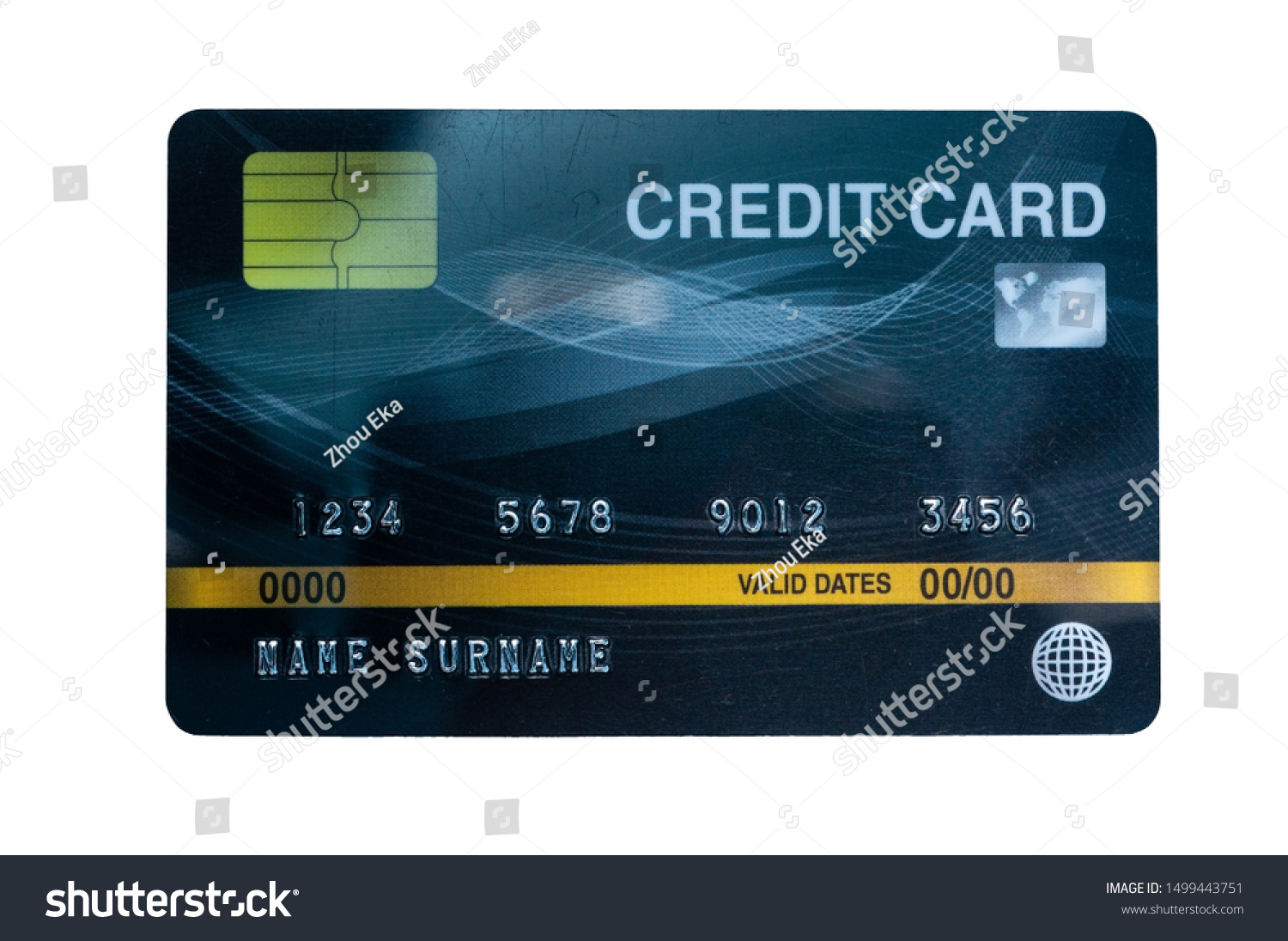
Credit Cards Payment Debt Banking Fee Stock Photo Edit Now 1499443751 from image.shutterstock.com Here is a breakdown of each. Put your credit card payoff money in the savings account. The primary way that banks make money is interest from credit card accounts. Interest charges when banks issue credit cards, they're essentially lending you money to make purchases. By contrast, debit card transactions bring in much less revenue than credit cards. Other banks like pnc, u.s. Interest is what is charged to borrow money. So how do credit card companies make money, and how can you minimize the fees you pay when you use cards?
Every time you put a purchase on a credit card, you're most likely putting money into the bank accounts of credit card issuers.
When you use a credit card, you're borrowing money from the issuer. For banks, credit cards are important and reliable money makers. Any money left over is your profit. Interest is what is charged to borrow money. Banks use depositors' money to make loans. Credit card issuers and credit card networks. You pay them back when you get your statement. It all ties back to the fundamental way banks make money: Interest charges when banks issue credit cards, they're essentially lending you money to make purchases. When looking at how credit card companies work, it's important to distinguish between the different types of companies out there: There's the issuing bank that actually loans money to the customer through their credit card. Post demonetisation, banks waived their fees to encourage digital payments which are still in vogue by nationalised banks. Banks make money from their credit cards in a variety of ways.
7 kasım 2020 tarihinde merkez bankası başkanlığı görevine atanan naci ağbal , 20 mart 2021'de cumhurbaşkanlığı kararı ile görevden alınmıştı. Öneri̇len hi̇zmetlersgk tescil ve hizmet dökümü / i̇şyeri unvan listesi aile yardımı bildirimi sorgulama dil tazminatı bilgileri sorgulama 4c tescil kaydı 4c i̇steğe bağlı ödeme dökümü; 08.11.2021 · hazine ve maliye bakanlığı'nda yapılan toplantıya ilişkin togg'un twitter hesabından yapılan paylaşımda, hazine ve maliye bakanı sn.@lutfielvan ve sanayi ve teknoloji bakanı sn. Bakan yardımcısı görev başlangıcı görev bitişi 1: 23.11.2021 · hazine ve maliye bakanlığı 2 yıl vadeli ve 7 yıl vadeli değişken faizli tahvilde ihale öncesi yapılan satışlarla birlikte 4,53 milyar tl borçlanma gerçekleştirdi. Ankara Turkey April 15 2019 Newly Built Turkish Ministry Of Treasury And Finance Building Located On Dikmen Street Hazine Ve Maliye Ba...
Do Dogs With Cancer Cough : How Do I Know If My Dog Has Kennel Cough? | House That Barks / Some small breeds of dogs may develop a cough due to problems with their windpipes. . A vet answers 10 commonly asked questions about cancer in dogs. In terms of a cancer diet for dogs, keeping your dog on a diet that is easily digestible and contains the right balance of nutrients can help them feel. Cancer is not the only possible diagnosis in this situation either, but the risk of postponing a visit to the veterinarian to investigate this problem further. It is estimated that 1 in 3 domestic dogs will develop cancer, which is the same incidence of cancer among humans. Reduce the carbohydrates your dog eats. Unfortunately, older dogs are more likely to develop health conditions. There's a mass in her throat and it's becoming increasingly difficult for her to breath. If the swelling or bump bleeds or leeks, seek medical attention immediately. Dogs are living longer th...
Signs Of Abdominal Cancer In Cats : Most Common Types of Cancer in Cats Signs, Symptoms - Catsfud / Carcinoma, leiomyosarcoma, fibrosarcoma and osteosarcoma. . Cats are tricky because they hide disease well. Learn more about the symptoms, causes and treatment for this condition on petmd.com. Cats with cancer in the digestive system may vomit (sometimes projectile) and/or have diarrhea, or they suddenly stop eating. Arteaga, these are the symptoms of lymphoma in cats: According to the pet cancer center, the most frequent signs of stomach cancer in cats include: The most common symptom of stomach cancer in cats is the growth of a tumor, which may be benign or cancerous. Very few mammary gland growths in cats are benign—85 to 90 percent are malignant and spread to lymph nodes, lungs and the chest cavity. According to the pet cancer center, the most frequent signs of stomach cancer in cats include: Unusual lumps or swellings anywhere on your cat's body, especially if...



Komentar
Posting Komentar